The lapel is the first thing people notice
From arm's length, a person looks at your face, then at the two lines of your lapels. The lapels draw a V-shaped frame around your neck and chest, so changing the lapel changes the whole feel of the suit. There are three types to know.
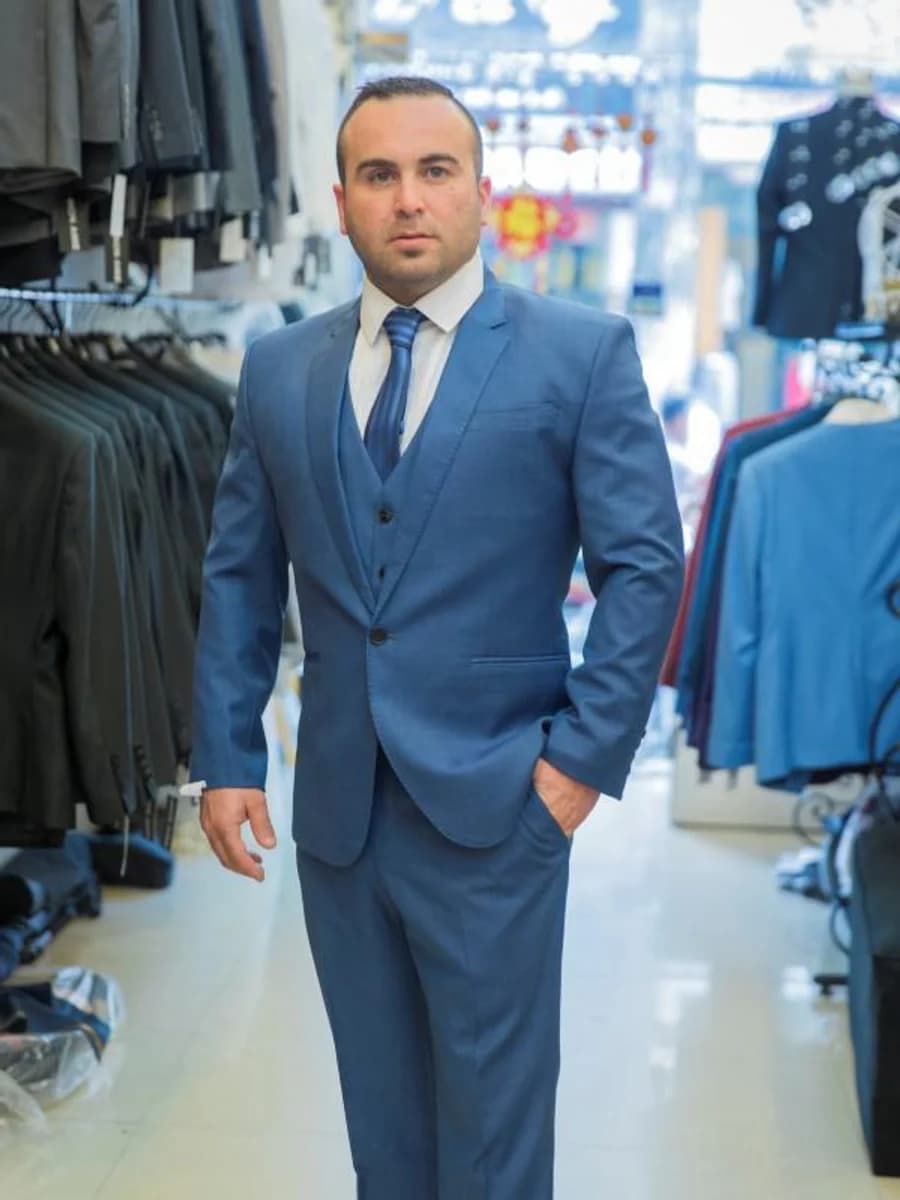
Notch lapel: the V with a step
The lapel has a small step-like notch between the lapel and the collar. This is the most common type on suits.
- Shape: a small notch, a clean cut, nothing that draws attention.
- Occasions: the office, meetings, interviews, daytime weddings, most occasions.
- Suits: almost every build. If you are wearing or renting a suit for the first time, a notch lapel is the least likely to go wrong.
Peak lapel: the pointed lapel
The tip of the lapel reaches upward and points toward the shoulder, giving a sharp, formal look.
- Shape: an upward point; the line of the lapel makes the shoulders look broader.
- Occasions: wedding ceremonies, formal events, portraits, stage appearances. Very common on double-breasted suits.
- Suits: shorter men and men with a fuller midsection, because the line draws the eye upward and along the torso. If your shoulders are already very broad, think twice, since a pointed lapel emphasizes the shoulders further.
Illustrative example: a groom with a fuller build is torn between two navy suits. The peak-lapel suit will often give a slimmer line through the torso, not because the fabric is different, but because the viewer's eye is led upward.
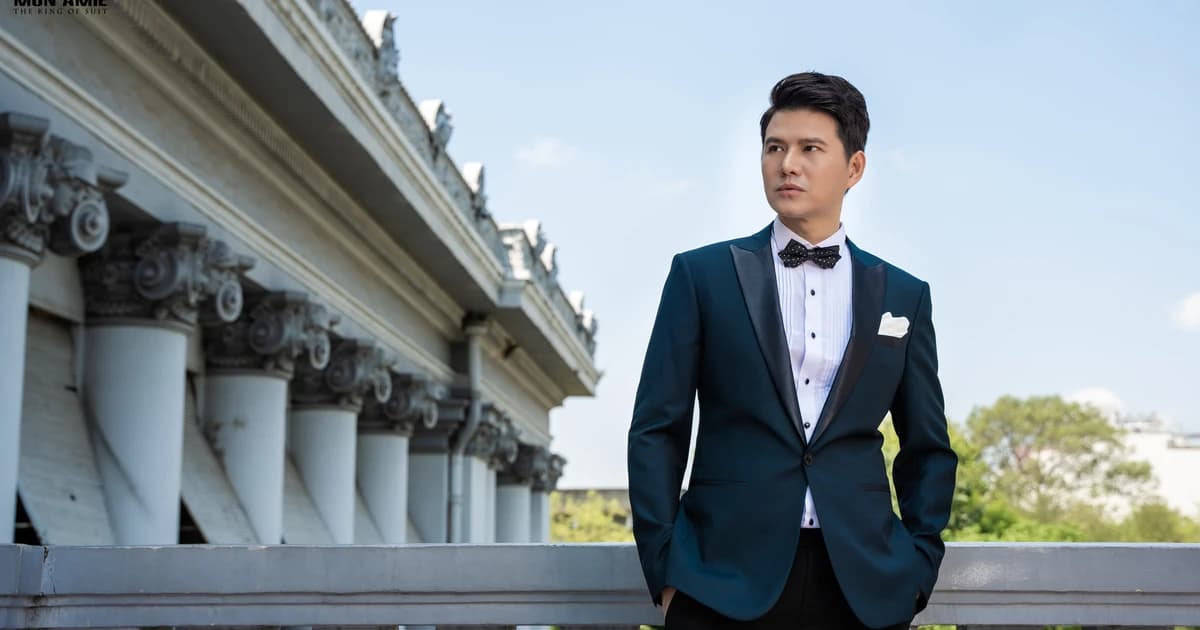
Shawl lapel: a rounded, continuous collar
The lapel curves in one smooth line, with no notch and no point, bending softly like a shawl.
- Shape: a continuous curve, usually faced with satin on tuxedos.
- Occasions: gala evenings, tuxedos, black tie, warm-lit evening events.
- Suits: a balanced or slightly slim build; the soft curve makes the chest look fuller. If you have a short neck or rounded shoulders, try it on first, because a single-piece lapel can make the neck look shorter.
Quick view by occasion and build
- You need a versatile suit you will wear often, with little risk: notch.
- You want to stand out, get great wedding photos, and look slimmer and taller: peak.
- You want a classic evening look in a tuxedo: shawl.
Beyond the shape, the lapel width (wide or narrow) also matters. A wide lapel suits tall men with broad shoulders; a narrow lapel suits smaller men. The lapel should balance with your shoulder width and tie width: if the tie is very thin and the lapel is too wide, the whole look loses its balance.
How to test in front of the mirror
If the showroom has it, try the same suit model with two lapel styles, and stand back from the mirror so you see your whole body and not just the collar. Check three things: does the lapel lie flat, where does the lapel tip meet the shoulder, and does the tie sit neatly between the two lapels. If the lapel flares out or sits crooked, it is usually because the shoulder fit is not quite right, and staff can adjust it free of charge to fit you well.
To learn more about choosing by build, read how to choose a groom's suit and our article on slim and fuller builds. Satin-lapel tuxedos are covered in detail in suit or tuxedo. You can browse the catalog by photo to compare lapels.
Come and see the lapels in person
A screen image makes it hard to judge how a lapel lies. Message us on Zalo at 0888.111.118 with a model code, or visit the nearest showroom, and staff will let you try several lapel styles side by side.